

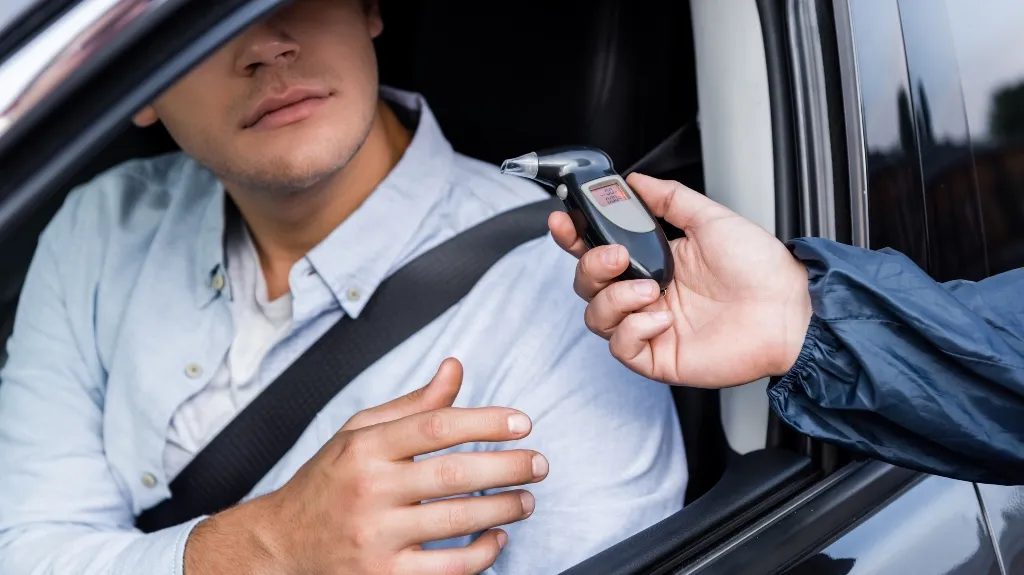
If you get pulled over in Tennessee on suspicion of driving under the influence, you will be asked to take a breathalyzer test. This can feel like a split-second decision.
What happens if you refuse a breathalyzer in Tennessee? A refusal does carry its own set of consequences that are important to understand.
Let’s explore what happens if you refuse a breathalyzer in Tennessee, and how that choice can affect both your license and your DUI case.
Implied Consent in Tennessee
Tennessee has an implied consent law. When you drive on Tennessee roads, you are considered to have already agreed to submit to chemical testing if a law enforcement officer has reasonable grounds to believe you are driving under the influence.
While you can refuse a breathalyzer, that refusal is treated as a violation of the law.
What Happens When You Refuse?
Refusing a breathalyzer in Tennessee triggers administrative penalties. And they are separate from any DUI charge you may be facing. They might include:
License Suspension
If you refuse testing, your driver’s license can be suspended. A first refusal results in a 18-month suspension, while a second refusal results in a 2-year suspension. A third or subsequent refusal can lead to 5 years without a license. You can have your license suspended even if you are never convicted of DUI.
No Restricted License
Depending on your circumstances, especially if there are prior offenses, you may not be eligible for a restricted license. This can make it harder to drive to work, school, or essential appointments.
Additional Penalties in Certain Situations
If your DUI arrest involves an accident resulting in injury or death, or if you have prior DUI convictions, the penalties for refusing can increase.
What Happens to Your DUI Case?
Many people assume refusing a breathalyzer will make it harder for the prosecution to prove DUI. Sometimes, that could be true, but it is not the full picture.
Refusal Can Be Used Against You
In Tennessee, prosecutors can introduce your refusal as evidence in court. They may argue that you refused the test because you knew you were intoxicated.
Other Evidence Still Matters
Even without a breathalyzer result, the state can rely on officer observations, dashcam or body footage, field sobriety tests, and witness statements.
In other words, a refusal doesn’t stop a DUI case. This only changes the type of evidence used.
Are There Any Situations Where Refusal Makes Sense?
There are situations where refusing a breathalyzer might be a strategic decision, but it is never risk-free. For example, if you have concerns about the accuracy or administration of the test, refusal avoids creating potentially damaging evidence.
However, these potential advantages must be weighed against the guaranteed license suspension and the fact that refusal itself can still hurt your case.
What Should You Do?
There is no answer that applies to every situation. Unfortunately, these decisions are made under pressure during a traffic stop.
If you have already refused a breathalyzer or are facing charges, you will want to speak with a Tennessee DUI defense attorney as soon as possible. They can evaluate the facts of your case. Along with that, they might be able to challenge the legality of the stop or arrest if appropriate. With their help, you can understand your options moving forward.
DUI Cases Need Experienced Legal Assistance
When you refuse a breathalyzer in Tennessee, that does not make the problem go away. You still will face some consequences. While you may avoid providing direct chemical evidence, you may have a license suspension and still have to defend against a DUI charge.
When it comes down to it, you need to understand the trade-offs in these situations. And when your license, record, and future are on the line, Erik Herbert Law can help you weigh your options. Reach out today to schedule a consultation.
