

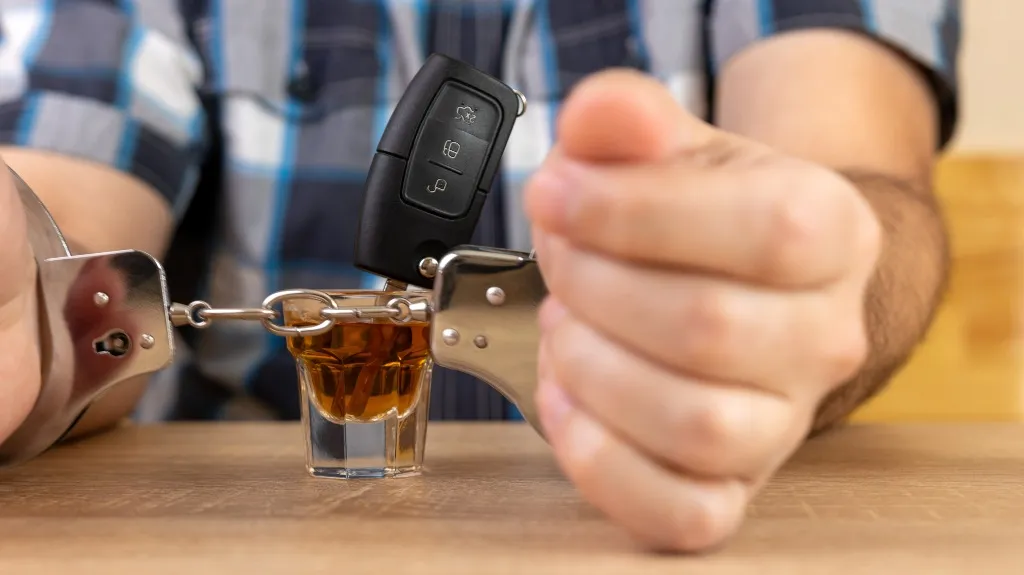
Seeing flashing blue lights and a line of cars stopped ahead can make almost anyone’s stomach drop. Even drivers who have done nothing wrong feel nervous approaching a DUI checkpoint. There is something intimidating about being stopped by law enforcement unexpectedly.
DUI checkpoints in Tennessee are used during holidays, weekends, and other high-traffic times when impaired driving arrests increase.
At these checkpoints, drivers do not lose their constitutional rights once they pull in. This is what you will want to know to protect your rights.
Are DUI Checkpoints Legal in Tennessee?
Yes, DUI checkpoints are legal under the Supreme Court decision in Michigan Dept. of State Police v. Sitz, as long as law enforcement follows certain constitutional requirements.
Police cannot set up random roadblocks whenever they want. These checkpoints must follow certain procedures about location selection, planning, visibility, and how vehicles are stopped.
For example, officers cannot stop drivers based solely on personal discretion. Instead, checkpoints must follow a neutral formula, such as stopping every vehicle or every third vehicle.
This limits arbitrary enforcement while balancing public safety concerns.
What Happens During a DUI Checkpoint?
For most drivers, a checkpoint stop is brief. An officer may ask for:
- Driver’s license
- Registration
- Proof of insurance
The officer will observe the driver for signs of impairment, such as:
- Slurred speech
- Bloodshot eyes
- Odor of alcohol
- Open containers
- Confusion or difficulty responding
If the officer does not observe anything concerning, drivers are allowed to move on quickly.
However, if an officer believes there may be signs of impairment, the stop can escalate into a DUI investigation.
Do You Have to Answer Questions?
Drivers are required to provide identification and basic driving documents during a lawful stop. But that does not mean you have to answer every question an officer asks.
For example, officers may ask:
- “Have you had anything to drink tonight?”
- “Where are you coming from?”
- “How much alcohol have you consumed?”
Unfortunately, many people panic and start talking too much. They might think that being extra cooperative will help them avoid trouble. In reality, those statements can be used as evidence in a DUI case.
You still have the right to remain silent. But that does not mean being rude or confrontational. You want to stay calm and respectful.
Can You Refuse Field Sobriety Tests?
Field sobriety tests are voluntary in Tennessee. Officers may ask drivers to perform these tests if they suspect impairment. However, these exercises are not always as reliable.
Fatigue, anxiety, medical conditions, age, uneven pavement, weather, and nervousness can affect performance. Many sober people struggle with roadside balancing tests under pressure.
Keep in mind that refusing field sobriety testing does not prevent an arrest if the officer believes there is enough other evidence to suggest impairment.
Chemical tests involving breath and blood are different. Tennessee’s implied consent law applies during DUI investigations, including checkpoint stops.
This means refusing a chemical test after a lawful DUI arrest can result in separate penalties, including driver’s license suspension.
Can You Avoid a DUI Checkpoint?
In some situations, drivers can legally turn around or take another route before reaching a checkpoint.
However, officers may become suspicious if a driver makes an illegal turn or appears to evade the checkpoint in a reckless manner. That can lead to a separate traffic stop.
Avoiding a checkpoint is not illegal. However, violating traffic laws while doing it can be a problem.
What Should You Do If You Are Stopped?
If you encounter a DUI checkpoint in Tennessee, the best thing you can do is stay calm. Any sudden movements, arguments, or aggressive behavior can escalate the situation.
You are required to provide the requested documents when requested. Make sure to avoid volunteering unnecessary information and remain respectful throughout the interaction.
If you are arrested, do not try to explain everything on the side of the road. Many people unintentionally hurt their cases by talking excessively when they are nervous or emotional.
This is the time to focus on protecting your rights and speaking with a DUI/DWI attorney as soon as possible.
Protect Your Rights During a DUI Checkpoint
DUI checkpoints in Tennessee are legal. But drivers still have constitutional protections during these stops. Knowing your rights ahead of time can help you avoid panic, confusion, and mistakes.
If you have been arrested for a DWI in Tennessee, Erik Herbert Law can help. We are here to help you explore tour options, including taking a look at the actions of officers at these stops. Reach out today to schedule a consultation.
